


Built for CloudOps, FinOps, and SecOps
Every engineering team we talk to is drowning in disconnected signals. Your monitoring tool says a pod crashed. Your FinOps tool says Snowflake costs spiked. Your security scanner flags an open port. Knowing something broke is only a fraction of the job. We built an agent to fix that manual triage work.
CloudOps / SRE
Stop manually cross-referencing monitoring, deployment, and code tools. The agent correlates the signals and proposes the fix.
FinOps
Cost anomalies get traced back to the specific deployment or config change that caused them — not just flagged in a report.
SecOps
Security findings are correlated with infrastructure context. Zero-permanent-access model means the agent itself isn't a risk vector.
minutes of SRE time spent triangulating incidents
tools cross-referenced per incident on average
zero access policy by design.
Under the hood
Event Mesh & Change Ledger
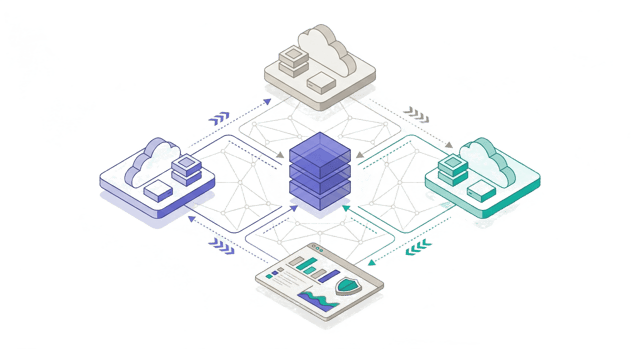
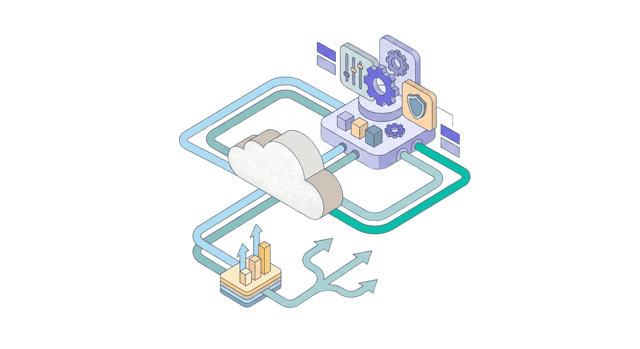
When a cost anomaly or error spike triggers, the agent maps the blast radius automatically. It queries a unified change ledger, correlates the incident with recent infrastructure changes, and diagnoses root cause.
It doesn't just ping you with an alert. It generates the exact code fix or config change and proposes it in a pull request for you to approve.
A Colleague, Not Another Dashboard
Keep the work where the engineers are

Integrated with your entire tech-stack
Works natively with your cloud providers, data platforms, DevOps and SecOps tooling. Custom integrations are available on-request.
Explore












Zero permanent access
No Permanent Write Access. Ever.
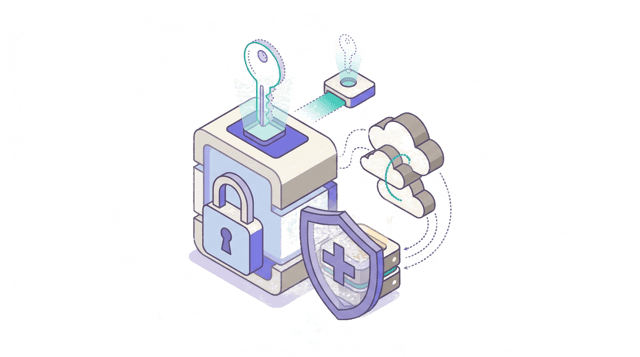
Giving an AI agent permanent write access to production is a terrible idea. We agree.
The agent uses an internal credential broker to request short-lived, just-in-time tokens scoped exactly to the task at hand. When the task is done, the credentials expire. No standing privileges, no blast radius from a compromised agent.
Learns your environment
Episodic, Semantic, and Procedural Memory
Without memory, every incident starts from zero. The agent relearns the same lessons every time.
The agent maintains three memory layers. If you correct it once — "Actually, the checkout team owns this service now" — it updates semantic memory and remembers next time. Past incidents inform future diagnoses. Your runbooks become procedural knowledge it can execute.
Close the gap.
Turns alerts into approved fixes, automatically.
Frequently asked
questions
Does the agent have write access to my production environment?
No. It uses a zero-permanent-access model. It requests short-lived, just-in-time tokens scoped exactly to the remediation task. Credentials expire when the task completes. There are no standing privileges.
Do I need to replace my existing monitoring or alerting tools?
No. The agent sits on top of DoiT Cloud Intelligence, PerfectScale, Kubernetes, and the alerting tools you already use. It ingests signals from your existing stack and adds correlation, diagnosis, and automated remediation.
How does the agent learn about my specific environment?
It maintains three memory layers: episodic (past incidents), semantic (team ownership, service maps), and procedural (runbooks and processes). When you correct it, it updates its memory and applies that knowledge to future incidents.
Where do findings show up?
Inside Slack threads, the CLI, and GitHub pull requests. We intentionally avoided building another dashboard — the agent meets your engineers where they already work.
What clouds and platforms are supported?
AWS, Google Cloud, and Azure through DoiT Cloud Intelligence, plus Kubernetes environments via PerfectScale. The agent also connects to common observability and deployment tools.