




What DataHub does
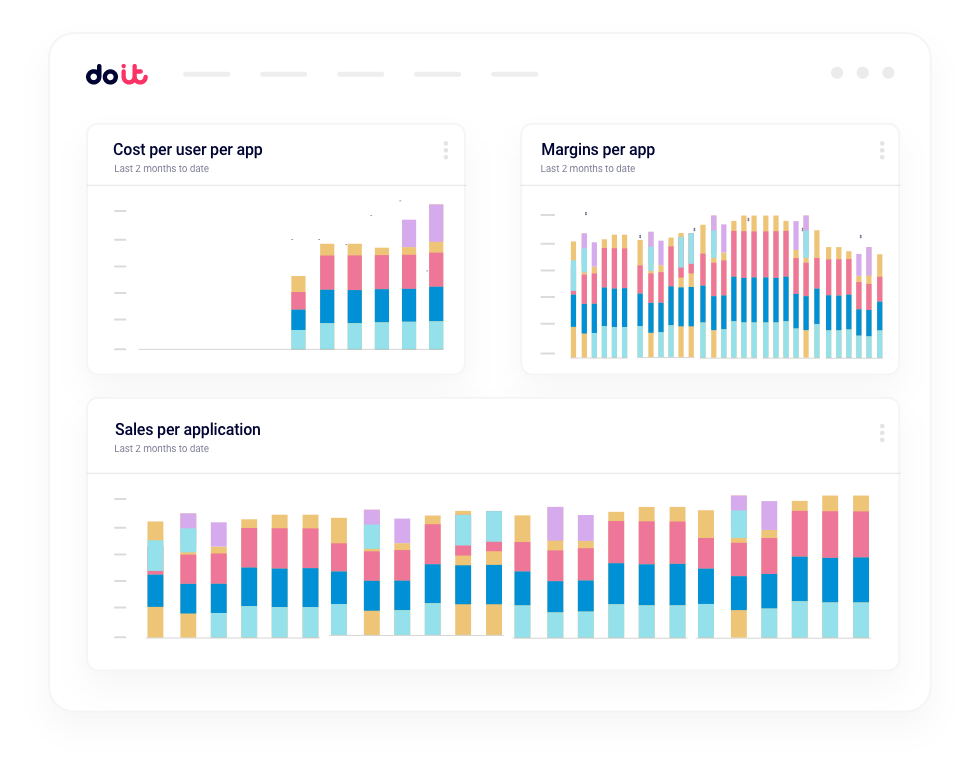
DataHub extends your unit economics beyond built-in data sources by bringing in external expenses and business metrics. Third-party SaaS bills, operational costs like employee salaries, and business data like customer counts all live in one place.
Ingest outside costs and business metrics
Import costs from any source, along with business metrics like sales and customer counts for your unit cost calculations.
Apply FinOps capabilities to all spend
Bring new cost sources into your existing allocations, report on costs, and set up budgets across cloud and non-cloud spend.
Create unit cost metrics
Calculate the business metrics that matter most using your ingested cost data and business metrics together.
Build business-centric views
Turn unit cost metrics into executive-ready views that show technology spend in terms leadership understands and acts on.
Integrated with your entire tech-stack
Works natively with your cloud providers, data platforms, DevOps and SecOps tooling. Custom integrations are available on-request.
Explore













Cloud+ FinOps
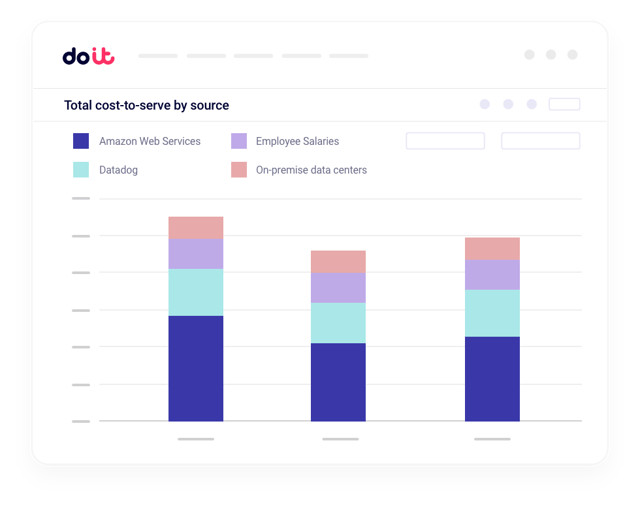
Ingest any cost or business data
Merge cloud bills, SaaS expenses, operational costs, and business metrics to calculate accurate unit costs. Teams that previously spent hours wrestling with spreadsheets can now focus on analysis instead of data wrangling.
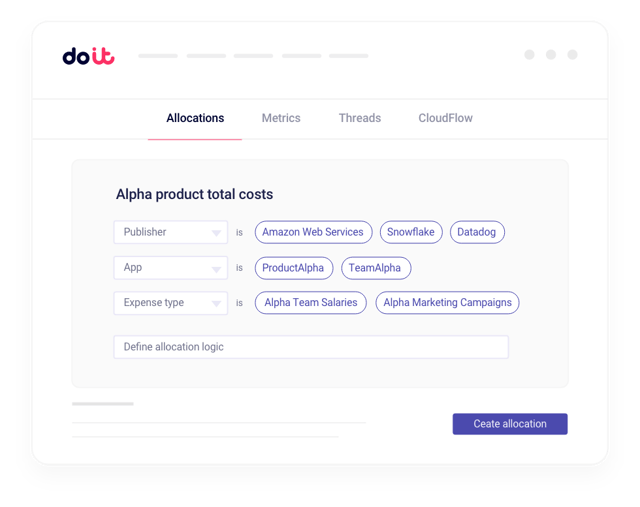
Extend your FinOps workflows beyond cloud data
Create allocations that group cloud costs, SaaS tooling, and other company costs into unified business views. Set budgets on SaaS spending and get alerted when unit costs spike unexpectedly — before they hit your bottom line.
Translate technical data into business-relevant KPIs
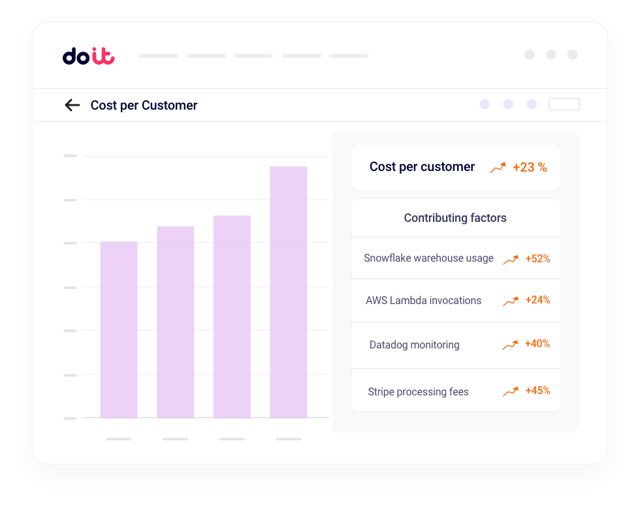
Instead of cost per CPU, show unit costs that directly connect technology spending to revenue. Finance and leadership teams can see whether technology investments deliver the business outcomes they expect.
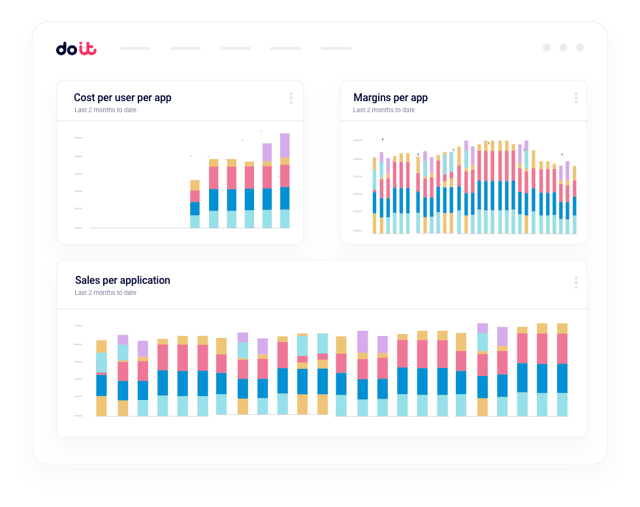
Optimize for profitability, not just efficiency
Monitor unit economics trends and identify opportunities that improve margins and business outcomes. Technical efficiency matters, but profitability is what leadership cares about.
The problem
Unit economics requires complete data, but it's scattered across systems
Companies struggle to connect cloud spending to business value because cost and revenue data lives in different systems with no unified view.

Business context lives outside billing systems
Meaningful unit economics combines revenue data, customer metrics, and operational expenses that no billing standard addresses. Even with FOCUS-compliant cost data, teams still manually integrate business KPIs.

Finance wastes time manually joining data
Finance teams export cloud bills and manually join them with business data in spreadsheets, creating error-prone workflows that take weeks to complete.

Technical metrics don't drive business conversations
Metrics like cost per CPU only resonate with engineering. Without business-relevant metrics like cost per customer, FinOps teams struggle to demonstrate cloud value to stakeholders.

Tool sprawl and fragmented insights
Critical infrastructure understanding lives in individual team members' heads, creating single points of failure when key people leave or go on vacation.

No single source of truth for total technology cost
Cloud, SaaS, and operational costs sit in separate tools. Without a unified view, teams can't answer the basic question: what does it actually cost to serve one customer?
Delayed reporting slows decision-making
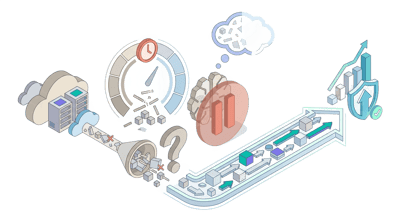
When cost data requires manual assembly, reports arrive weeks late. By then, the spending patterns have already shifted and the opportunity to act has passed.
Flexible data ingestion, your way
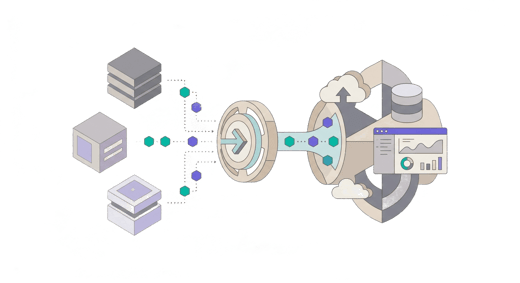
Ingest data from CSV, API or ETL frameworks

Frequently asked
questions
What types of data can I ingest into DataHub?
Any cost or business metric data: SaaS bills, operational expenses like salaries, revenue figures, customer counts, transaction volumes, and more. If it affects your unit economics, DataHub can ingest it.
How does data get into DataHub?
Two methods: REST APIs for automated, programmatic ingestion from your existing systems, and CSV uploads for quick manual imports. Most teams start with CSV and move to API as they scale.
Can I use DataHub data in existing DoiT reports and allocations?
Yes. Once ingested, DataHub data integrates with your existing DoiT Cloud Intelligence workflows — allocations, reports, budgets, and alerts all work with your external data sources.
What's the difference between DataHub and native cloud billing data?
Native cloud billing covers AWS, Google Cloud, and Azure costs. DataHub adds everything else: SaaS tools, operational expenses, and business metrics. Together, they give you a complete picture for real unit economics.
Do I need engineering resources to set up DataHub?
Not necessarily. CSV uploads require no engineering work. API integrations are straightforward REST calls that most teams can set up in a few hours. Documentation walks you through both approaches.
See DataHub in action
Schedule a 15-minute call to see how DataHub connects your cost data.